Why That Beautiful Nursery Plant Looks Half-Dead in Your Living Room
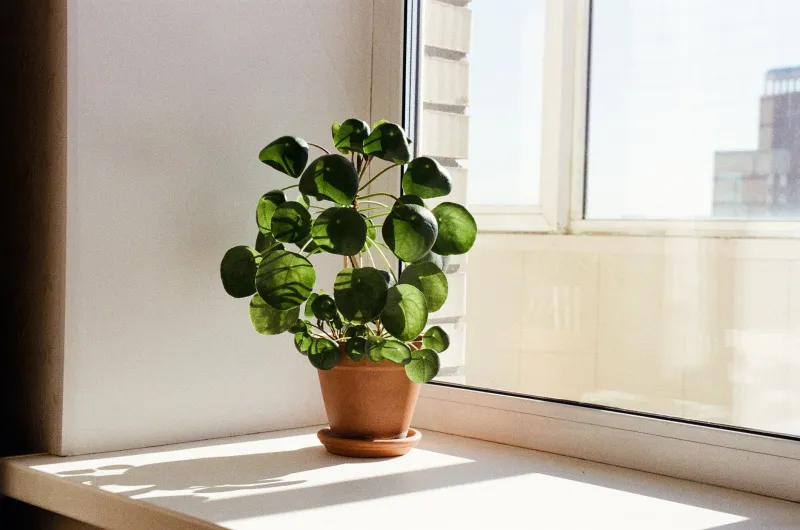
You spotted it at the nursery—lush, perky, practically glowing under the grow lights. You got it home, found the perfect spot on your bookshelf, and watered it faithfully. Two weeks later? Yellow leaves, drooping stems, and a growing sense that you have somehow failed at keeping a living thing alive.
Here's the truth: that plant didn't fail because of anything you did wrong. It failed because it came from a completely different world.
Nursery-grown container plants—especially those sold as houseplants—are produced in conditions that most homes simply can't replicate. Understanding that gap is the first step toward actually fixing it.
The Greenhouse Is Nothing Like Your House
Commercial greenhouses are engineered environments. The humidity levels typically run between 60 and 80 percent. Air circulates constantly from overhead fans. Light intensity can be two to three times higher than what streams through even a sunny south-facing window. And plants are watered on a precise schedule, often with fertilizer mixed right in.
Your living room, by contrast, probably hovers around 30 to 50 percent humidity in winter (even lower if you run forced-air heat), has minimal air movement, and gets a fraction of the light those plants were raised under. It's not a hostile environment—it's just a very different one.
When a plant moves from a greenhouse shelf to your home, it's essentially immigrating to a new climate. Some plants adapt gracefully. Others throw a fit.
Light Is the Biggest Culprit
Most houseplants sold at nurseries are labeled "low light" or "indirect light," which sounds reassuring. But those terms are relative. A plant that tolerates low light in a greenhouse—where even the shadiest corner gets more lumens than your brightest window—may still struggle in an actual home.
A few things worth knowing:
- Windows are deceptive. A window that looks bright to your eyes may only be delivering 200 to 500 foot-candles of light. Many popular houseplants need 1,000 or more to truly thrive.
- Distance matters fast. Light intensity drops off dramatically the farther you get from a window. A plant sitting six feet from the glass is getting a tiny fraction of what it would get right up against the pane.
- Seasonal shifts are real. That sunny windowsill in July becomes a dim corner in January. Plants don't always adjust gracefully.
If your plant is near a window but still looking pale or leggy, try moving it closer—or consider a simple grow light. They've come a long way from the industrial-looking setups of a decade ago, and a basic clip-on LED can make a genuine difference for a struggling plant.
Humidity: The Invisible Struggle
This one catches a lot of people off guard. You're watering regularly, the soil seems fine, but the leaf tips are browning and the plant looks vaguely stressed. Low humidity is often the culprit, especially for tropical plants like ferns, calatheas, and anthuriums.
These plants evolved in environments where moisture hangs in the air. When they land in a heated American home in February, they're essentially living through a perpetual drought—even if the soil is moist.
A few ways to help:
- Group plants together. They create a little microclimate of shared humidity as they transpire.
- Add a pebble tray. Fill a shallow tray with gravel and water, then set your pot on top (above the waterline). As the water evaporates, it bumps up the humidity right around the plant.
- Get a small humidifier. If you've got a collection of humidity-loving plants in one spot, this is honestly the most effective option. A small cool-mist humidifier running a few hours a day can transform how those plants look.
- Skip the misting. It feels like you're doing something, but the effect is minimal and can actually encourage fungal issues on some plants.
Watering: More Is Rarely the Answer
Nurseries water frequently because their growing conditions support it—high light, good airflow, and fast-draining professional mixes mean the soil dries out quickly. At home, that same schedule turns into overwatering almost immediately.
Overwatering is the number one killer of houseplants in the US. Not because people are careless, but because the care instructions on the tag were written for greenhouse conditions, not your apartment.
Get in the habit of checking the soil before you water. Push your finger an inch or two into the mix. If it's still damp, leave it alone. Most popular houseplants—pothos, snake plants, monsteras, ZZ plants—prefer to dry out somewhat between waterings. The goal is consistent moisture, not constant moisture.
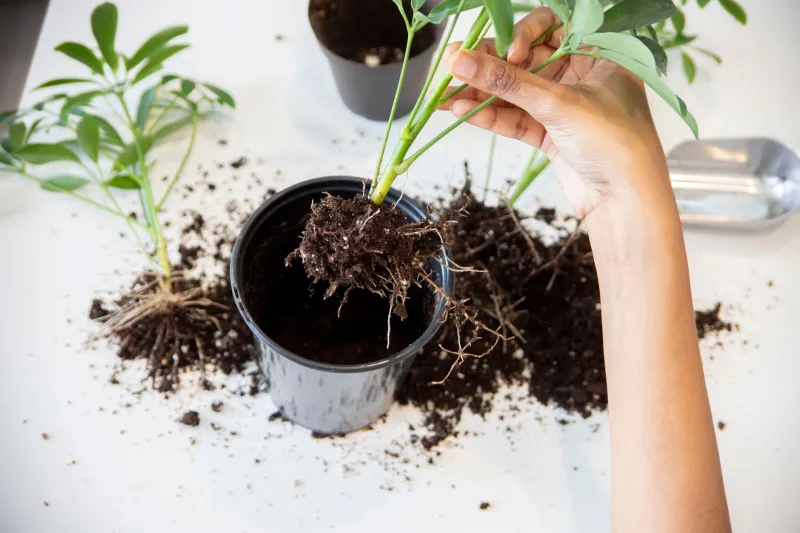
Also worth noting: nursery plants often come in pots that are slightly too large, or in heavy peat-based mixes that retain more water than they should. Repotting into a well-draining mix with some perlite or bark added can dramatically improve how a plant handles your watering habits.
The Transition Period Is Real
Here's something we tell customers at Frankie's all the time: almost every houseplant goes through an adjustment phase when it moves to a new home. Expect some leaf drop, some yellowing, maybe a general look of disappointment. That's normal. The plant is shedding growth that was calibrated for its old environment and slowly building new growth suited to yours.
The mistake most people make is intervening too aggressively during this phase—repotting, fertilizing, moving the plant around repeatedly, watering more to "help." All of that adds stress on top of stress.
Instead, find a spot with the best light you can offer, leave the plant alone for a few weeks, and resist the urge to fuss. Give it time to figure out where it is.
A Few Plants That Handle the Transition Better Than Most
If you've had a rough run with houseplants, it might be worth starting with varieties that are genuinely more forgiving of home conditions:
- Pothos – tolerates low light and irregular watering like a champ
- Snake plant (Sansevieria) – practically thrives on neglect
- ZZ plant – handles dry air and dim corners without complaint
- Spider plant – adapts quickly and tells you clearly when it needs water
- Cast iron plant – does exactly what the name implies
Once you've built some confidence with the easy ones, you'll have a much better feel for what your specific home environment can support—and you'll be ready to take on the fussier stuff.
You're Not the Problem. The Gap Is.
Nursery plants are beautiful, and bringing them home should be a joy—not a countdown to failure. The key is understanding that the plant you're buying was raised in conditions designed for maximum production speed, not long-term indoor living. Bridging that gap takes a little patience, some honest assessment of your light and humidity situation, and a willingness to let the plant lead.
Stop by and talk to us anytime. We're happy to help you figure out what your space can realistically support—and set you up with something that'll actually thrive there.