Gone for a Week, Back to a Graveyard: How to Keep Your Plants Alive While You're Away
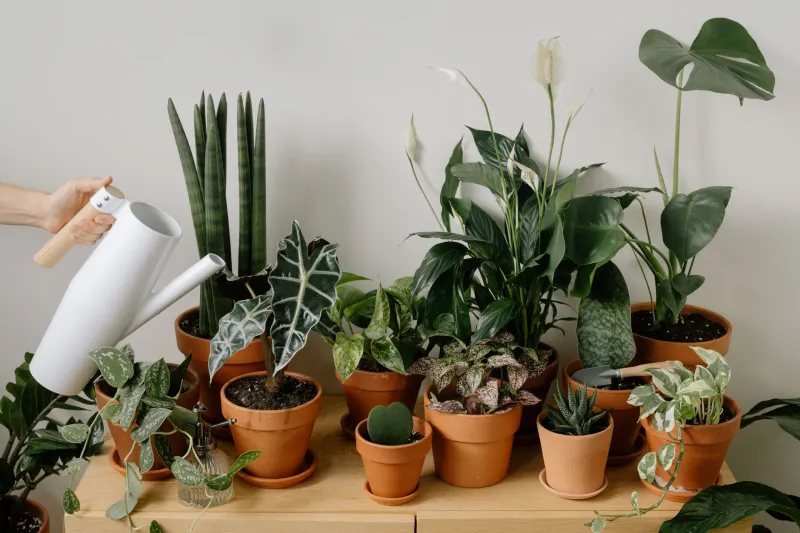
You did everything right. You watered thoroughly before you left. You moved a few pots to the shadier corner of the porch. You even said goodbye (no judgment — we've all been there). And yet, seven days later, you're standing in your living room holding a formerly lush pothos like it's a crime scene.
Here's the thing: returning home to sad plants is practically a rite of passage for anyone who cares about growing things. It doesn't mean you failed. It means you're human, your plants have needs, and those two realities occasionally collide with your vacation schedule. The good news? A few simple strategies before you leave can completely change what you come home to.
Why Plants Struggle When You're Gone (It's Not Personal)
Plants are creatures of routine. They're used to your routine — when you water, how much light they get, whether you crack a window in the afternoon. The moment you leave, that rhythm breaks. Pots dry out faster than you'd expect, especially in summer when temperatures spike and air conditioning cycles on and off. Outdoor containers can go from moist to bone-dry in 48 hours during a heat wave. Houseplants near sunny windows get cooked when nobody's around to pull the blinds.
It's not that your plants are dramatic. It's that their environment becomes unpredictable the second you stop managing it.
The Weekend Trip vs. The Two-Week Vacation
Not all absences are created equal, and your prep strategy should match the length of your trip.
Two to three days: This is the low-stakes scenario. Water everything thoroughly the night before you leave — not just a quick splash, but a deep soak until water drains out the bottom of each pot. Group your houseplants together on a tray; they'll create a little humid microclimate that slows moisture loss. For outdoor containers, move them to a shadier spot if possible. Most established plants in the ground won't even notice you're gone.
Four to seven days: Now you need a plan. A deep watering still helps, but it won't be enough on its own for most container plants. This is where simple DIY watering solutions come in. Plastic bottle drip systems (a wine bottle filled with water and inverted into the soil) work surprisingly well for individual pots. Self-watering inserts and moisture-retaining spikes are inexpensive and widely available. For outdoor beds, set your irrigation timer if you have one — and if you don't, this might be the trip that convinces you to finally get one.
Ten days or more: You need backup. Ask a neighbor, friend, or family member to check in at least every three to four days. Leave clear, written instructions — don't assume anyone knows what "water when the top inch is dry" means. Better yet, show them before you leave. Consider this a chance to thin your collection a little: move the most demanding plants to a friend's house, or consolidate everything into a shadier, more forgiving spot while you're away.
Watering Systems Worth Knowing About
You don't have to spend a lot of money to keep things alive. Here are a few options that genuinely work:
- Drip irrigation timers connect directly to your outdoor spigot and can be programmed to water on a set schedule. They're a game-changer for anyone with container gardens or raised beds, and they cost less than a single dead ornamental tree.
- Self-watering planters have a reservoir built into the base that plants draw from as needed. If you're shopping for new containers anyway, these are worth the slight price bump.
- Capillary mats work well for houseplants — set pots on a wet mat that sits in a shallow tray of water, and they'll wick moisture up slowly over several days.
- Terracotta watering spikes are old-school and genuinely effective for individual pots. Fill the attached bottle, push the spike into the soil, and let gravity do the work.
For outdoor beds and established garden plants, the honest truth is that most of them don't need you as much as you think. A well-mulched bed retains moisture far better than bare soil, so if you haven't mulched yet, that's one of the best pre-trip investments you can make.
Adjust the Environment Before You Walk Out the Door
A few quick environmental tweaks can dramatically reduce the stress your plants experience while you're gone.
For houseplants, pull anything sitting in direct sun back a few feet from the window. The light will still reach them, but they won't overheat. If you're leaving during summer, set your thermostat no higher than 80°F — most tropical houseplants start suffering above that. In winter, make sure no plants are sitting against exterior walls or near drafty windows.
For outdoor pots, a little shade goes a long way. Even moving a container from full afternoon sun to partial shade can cut its water needs nearly in half. If you have hanging baskets — notoriously thirsty — consider taking them down and setting them directly on the ground in a shaded spot while you're away.
The Psychology of Leaving (Yes, We're Going There)
Here's something that doesn't get talked about enough: plant parent guilt is real, and it can make the whole experience of traveling more stressful than it needs to be. You find yourself refreshing weather apps to check if it's going to be hot at home. You mentally calculate whether your neighbor actually watered or just said they would. You cut a trip short because you're worried about the fig tree.
Take a breath. Plants are resilient. They've been surviving drought, heat, cold, and neglect for millions of years without you. Yes, some will struggle while you're gone. A few might not make it. That's part of gardening — it's not a referendum on your worth as a caretaker.
The goal isn't a perfect record. It's building systems that stack the odds in your favor, so you can actually enjoy your time away without spiraling.
Before You Leave: A Quick Checklist
- Water everything deeply the night before departure
- Group houseplants together to share humidity
- Move sun-sensitive containers to shadier spots
- Set irrigation timers if you have them
- Put DIY drip systems in place for longer absences
- Mulch outdoor beds to retain soil moisture
- Adjust indoor thermostat to a plant-friendly range
- Leave clear watering instructions for anyone helping out
- Accept that some plants might struggle — and that's okay
And when you get home to a few casualties? Don't beat yourself up. Come see us at Frankie's Nursery. We'll help you find something new to fall in love with — and maybe something a little more low-maintenance for next time.