Hold On or Let Go? How to Know When a Struggling Plant Has Run Out of Time
We've all been there. A plant is sitting on your porch or tucked into a garden bed looking absolutely miserable, and you're hovering over it every morning with a watering can and a prayer. Maybe you spent real money on it. Maybe it came from your grandmother's yard. Maybe you just really, really wanted it to work.
The hard truth? Some plants come back from the brink in dramatic fashion. Others quietly consume your time, water, and optimism while going absolutely nowhere. Knowing which situation you're actually in — and when to make the call — is one of the most practical skills a gardener can develop.
Here's how we think about it at Frankie's.
The First Two Weeks: Don't Panic, But Do Pay Attention
When a plant first starts looking rough, give it grace. Transplant shock is real, weather stress is real, and even a healthy plant can look rough for a week or two after going through something difficult. Wilting, yellowing lower leaves, and general droopiness are not automatically death sentences.
What you're watching for in this early window is direction. Is the plant getting worse every day, or is it holding steady? A plant that looks the same on day ten as it did on day three is actually a decent sign — it's not spiraling, it's just stressed.
Green flags in weeks one and two:
- New growth is still attempting to emerge, even slowly
- Stem bases are still firm and green when you gently scratch them
- Roots (if you can peek) are white or light tan, not brown and mushy
- The decline seems localized to a few branches or leaves, not the whole plant
Yellow flags that warrant closer watching:
- Wilting that doesn't recover overnight
- Leaves yellowing rapidly across the whole plant, not just the bottom few
- Soft, dark spots appearing on stems
- A faint sour or rotting smell near the soil
At this stage, don't reach for fertilizer. A stressed plant can't use it, and it may make things worse. Focus on getting the basics right — appropriate water, appropriate light, and leaving it alone as much as possible.
Weeks Two Through Four: The Honest Assessment Window
This is where you need to get a little less emotional and a little more clinical. By now, a plant that's going to recover has usually shown you at least one encouraging sign. A plant that hasn't improved at all in three to four weeks is telling you something.
Do the scratch test on multiple stems. Use your fingernail to lightly scrape a small patch of bark on a few different branches. Green underneath means living tissue. Brown, dry, or mushy means that section is gone. If the majority of what you're scratching comes back brown, you're probably dealing with a plant that's lost most of its above-ground structure.
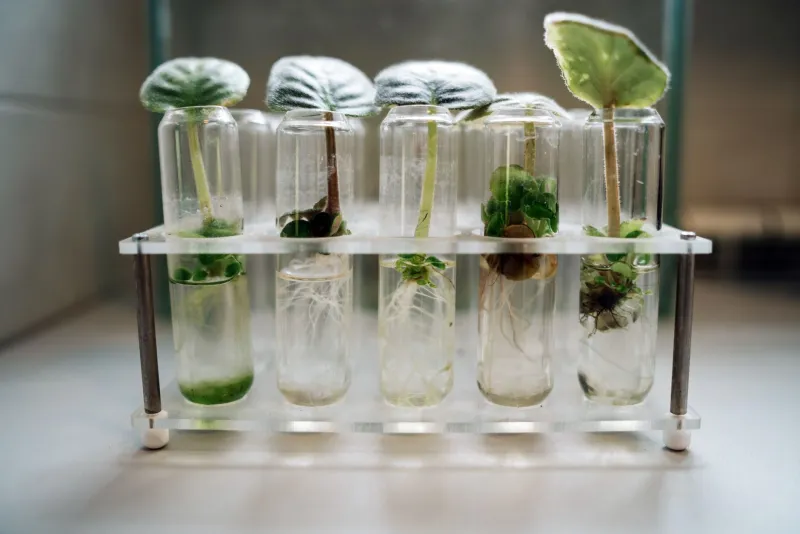
Check the roots. If the plant is in a container, tip it out and take a look. Healthy roots are firm and light-colored. Root rot looks dark, feels soft, and often smells. A plant with severe root rot that's had it for weeks is an uphill battle — not impossible, but genuinely difficult, especially if you're a newer gardener.
Ask yourself these questions:
- Has anything improved, even slightly?
- Is there any green tissue left on the stems?
- Are there any buds, however tiny, trying to form?
- Is the root system at least partially healthy?
If you're answering yes to two or more of those, it's worth continuing to nurse the plant. If you're answering no across the board, start mentally preparing to move on.
The Four to Six Week Mark: Commit or Compost
By a month to six weeks in, you should have a clear picture. This is when lingering hope starts to cost you real resources — water, space in a prime garden bed, and the mental energy of worrying about one plant every single day.
Here's what we tell customers at Frankie's: a plant that shows zero improvement after six weeks of consistent, appropriate care is almost certainly not going to recover. And that's okay. It happens to every gardener, from beginners to the most experienced folks we know.
If you're still seeing some green, some firm stem tissue, and the occasional hint of new growth, give it one more dedicated month with a fresh approach — check drainage, adjust sun exposure, or repot into fresh soil if root rot was involved. Sometimes a change in conditions is the thing that finally tips a plant toward recovery.
But if there's nothing left to scratch green on, if the roots are completely gone, if the whole plant is crispy or collapsed — compost it. Seriously. A cleared spot in your garden is an opportunity, not a failure.
The Exceptions Worth Knowing About
A few plants play by different rules, and it's worth mentioning them:
Woody perennials and shrubs (think roses, lavender, butterfly bush) can look completely dead above ground while quietly surviving at the root level. These are worth waiting on longer than most — sometimes until you see new growth emerging from the base in spring. Don't cut them down until you've done a thorough scratch test all the way to the soil line.
Bulbs and tubers are another category where surface appearance is misleading. A cannas or dahlia that's collapsed above ground may have a perfectly healthy tuber underground. Dig before you decide.
Tropical houseplants moved outdoors can go into shock quickly with temperature swings and may look terrible for weeks before stabilizing. Give these extra time if the conditions have since improved.
Making Peace With the Compost Pile
One thing we've noticed after years of talking with gardeners: the ones who learn to compost decisively tend to have better gardens overall. They're not pouring energy into lost causes, so they have more to give to everything else.
A plant that didn't make it isn't a reflection of your skills. It's just gardening. Soil conditions, weather, timing, the specific plant's history before it reached you — there are so many variables outside your control. What you can control is how you respond, how clearly you read the signs, and how quickly you're willing to pivot.
If a plant is gone, note what you tried, note what might have gone wrong, and use that knowledge next time. Then go pick something new. That's the whole point.
We're always happy to help you figure out what happened and what might do better in its place — just stop by and tell us what you're working with. That's what we're here for.