One Plant, Infinite Possibilities: The Obsessive Joy of Growing Your Collection for Free

Photo by Photo by Kambiz Daneshjou on Unsplash on Unsplash
The Moment Everything Changes
It happens to almost every gardener eventually. You're standing in your backyard, scissors in hand, staring at a plant you love, and it hits you: I could have more of this. A lot more. For free.
Welcome to propagation. Population: everyone who's ever had too many plant pots and not enough windowsill space.
There's something almost philosophically satisfying about the whole thing. You paid for one plant. You tend it, it thrives, and suddenly it becomes the gift that keeps on giving—literally. Whether you're passing rooted cuttings to your neighbor, filling in bare spots in your own beds, or quietly building a plant empire in your basement under a grow light, propagation is one of those skills that changes how you see your entire garden.
And it goes way deeper than just snipping a stem and sticking it in water, though there's nothing wrong with that either.
Why Gardeners Get Completely Hooked
Let's be honest: propagation scratches a very particular itch. It combines the thrill of getting something for nothing with the nerdy satisfaction of understanding how plants actually work. Once you successfully root your first cutting or watch a division perk back up after being split apart, you start looking at every plant differently. That overgrown salvia? That's twelve plants waiting to happen. That sprawling hosta clump? Easily divided into six. That old rose you inherited with the house? You could have it in every corner of your yard.
The psychology here is real. Propagation gives gardeners a sense of agency and creativity that buying plants at a nursery just doesn't replicate. Not that we'd ever discourage you from visiting us—but there's a reason people who learn to propagate tend to become extremely generous friends.
Beyond the Basic Cutting: Methods Worth Learning
Division: The Easiest Win You're Probably Ignoring
If you have any clumping perennials—hostas, daylilies, ornamental grasses, black-eyed Susans, coneflowers—you're sitting on a propagation goldmine. Division is exactly what it sounds like: you dig up the whole clump, split it into smaller sections (sometimes with a shovel, sometimes with your hands, sometimes with a steak knife and a little determination), and replant the pieces.
The best part? Most clumping perennials actually prefer to be divided every few years. It keeps them vigorous and blooming well. So you're not just multiplying your plants—you're doing them a favor. Do it in early spring when new growth is just emerging, or in early fall when the heat has backed off. Water them in well, and you'll barely notice the disruption.
Air Layering: The Method That Sounds Intimidating but Isn't
Air layering is one of those techniques that sounds like it belongs in a botany lab, but it's genuinely doable in your backyard. It works particularly well on woody plants—think magnolias, rhododendrons, azaleas, or even a ficus you've been nursing indoors.
Here's the basic idea: you wound a branch (usually by removing a ring of bark or making a shallow cut), pack the wounded area with moist sphagnum moss, wrap it tightly in plastic wrap, and wait. The plant sends roots into the moss to heal the wound, and in a few weeks to a few months, you've got a rooted branch you can cut free and pot up.
It sounds fussy, but it's actually a fantastic method for plants that don't root easily from cuttings. And there's something deeply satisfying about watching roots appear through the plastic before you've even separated the new plant from its parent.
Seed Saving: The Long Game With the Biggest Payoff
Seed saving is propagation on a different timescale. It requires patience, a little know-how, and the willingness to let some of your plants go fully to seed instead of deadheading them. But the rewards are significant.
Start simple: marigolds, zinnias, tomatoes, and peppers are all easy to save seed from. Let the flowers fully dry on the plant, collect the seed heads, let them dry further indoors for a week or two, then store them in labeled paper envelopes in a cool, dry place.
A few things to keep in mind: hybrid varieties (those labeled F1 on seed packets) won't reliably reproduce their parent's traits, so stick to open-pollinated or heirloom varieties for seed saving. Also, plants can cross-pollinate, which means your saved seeds might surprise you. That's sometimes a problem, sometimes a delightful accident.
The real magic of seed saving is the connection it creates—to the plant, to the season, and to the long tradition of gardeners who kept their favorites going year after year without ever visiting a garden center.
The Real Problem: What Do You Do With All These Plants?
Okay, so you've divided your hostas, rooted a dozen lavender cuttings, and have forty zinnia seedlings in trays on your back porch. Now what?
This is the part nobody talks about enough. Propagation success creates its own logistical challenge. Here are a few ideas that actually work:
Give them away freely and often. Neighbors, coworkers, family members—most people are delighted to receive a healthy plant, especially if it comes with the story of where it came from. A rooted cutting from your grandmother's rose or a division of the hosta that's been in your yard for twenty years carries a kind of sentimental weight that a nursery-bought plant just doesn't.
Host a plant swap. These are genuinely fun, and they're happening in communities all over the country. Check local Facebook groups, NextDoor, or community boards. Bring your extras, take home something new. Everyone wins.
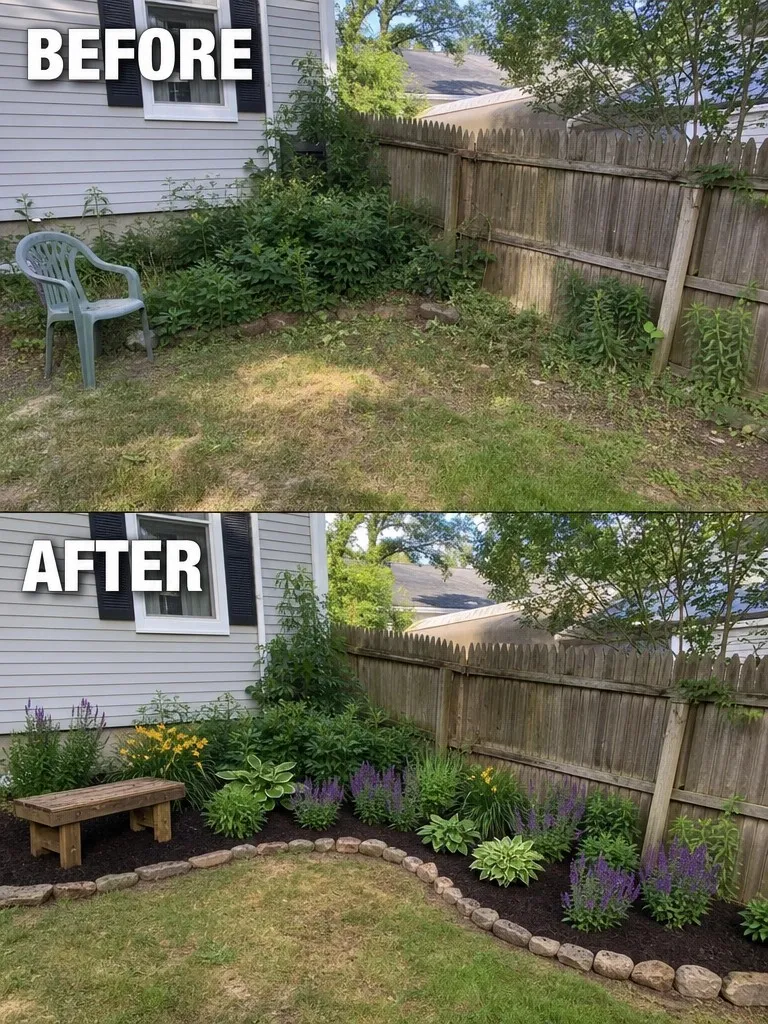
Fill in your own garden. Before you give everything away, walk your property with fresh eyes. Are there bare spots along the fence? Does the side yard look sparse? Could the front beds use more mass planting? Your propagated plants are free filler material.
Donate to schools or community gardens. Many community gardens and school garden programs are thrilled to receive plant donations. It's a great way to put your extras to use and support something meaningful in your area.
Sell them at a local farmers market. This one takes a little more setup, but propagators with reliable stock and good plant health can absolutely recoup some of their gardening budget this way.
A Different Way to Think About Your Garden
Propagation shifts something in how you relate to your plants. They stop being static purchases and start feeling more like living, renewable resources—things you can share, expand, and pass along. It makes gardening feel less like consumption and more like stewardship.
At Frankie's Nursery, we love helping people find the right plants to start with. But we love even more when those plants become the foundation of something bigger—a garden that grows not just season to season, but generation to generation.
Start with one plant. See where it takes you. Just maybe don't start with mint unless you're ready for a full-scale commitment.