First Garden, Real Numbers: What Starting a Garden Actually Costs
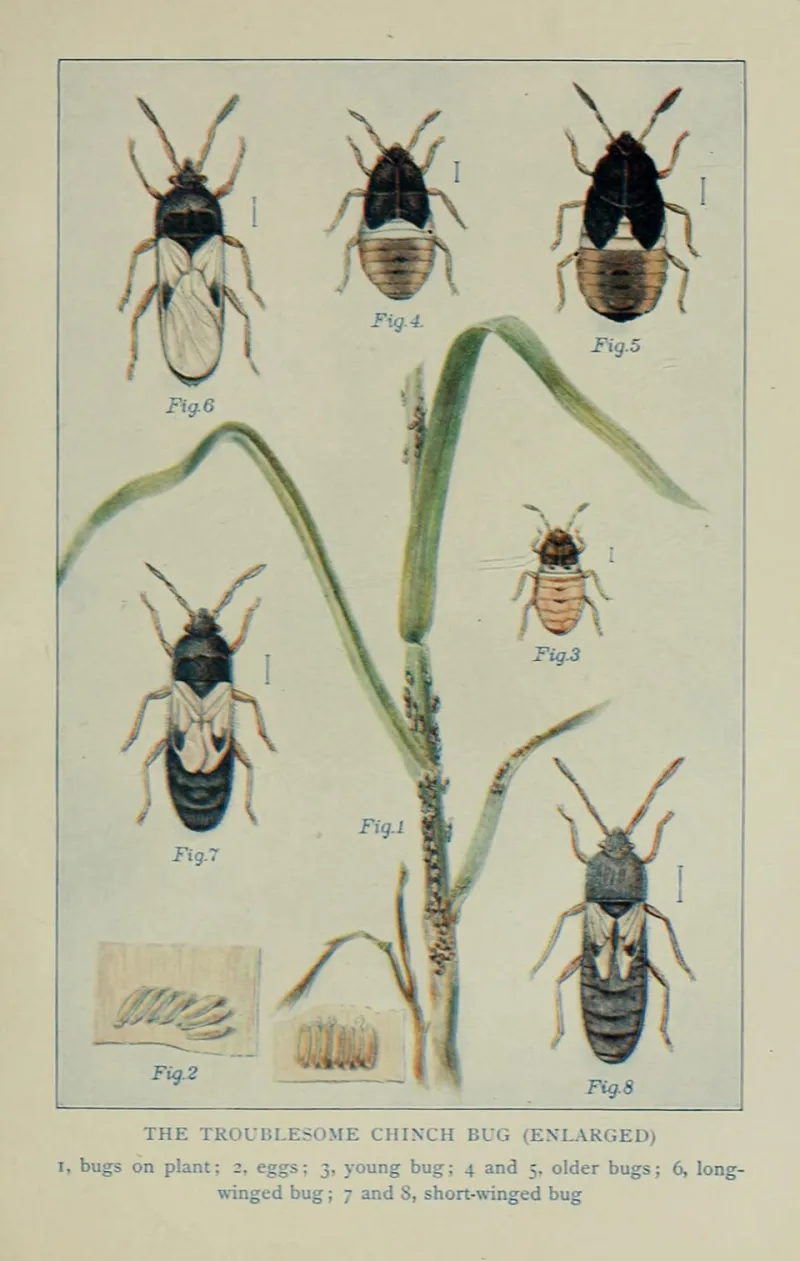
Photo: Internet Archive Book Images, No restrictions, via Wikimedia Commons
Every new gardener has a version of the same story. You decide you want to grow something. You watch a few videos, feel inspired, and head to the garden center with a vague budget in mind. Then the cart fills up and somehow you're staring at a $200 receipt for what was supposed to be a simple herb garden.
It happens to almost everyone. Gardening has a way of sneaking up on your wallet—not because it's inherently expensive, but because nobody ever lays out the real numbers upfront. So let's do exactly that.
Start With the Right Question
Before any money changes hands, get honest with yourself about what kind of garden you actually want. A few pots on an apartment balcony has a completely different cost profile than transforming a neglected backyard into a layered landscape. Neither is wrong. They're just different projects with different price tags.
For the purposes of this breakdown, we're looking at three realistic starting points most beginners fall into:
- A container or herb garden (small-scale, patio or kitchen-focused)
- A raised bed vegetable garden (one to four beds, backyard growing)
- A landscape starter project (a front bed or small yard overhaul)
Container and Herb Gardens: $50–$200
This is the most accessible entry point, and honestly, it's a great one. A few containers on a sunny porch or kitchen windowsill can teach you more about plant care than you'd expect—and the payoff of snipping fresh basil or mint is immediate.
Where your money goes:
- Containers: $5–$30 each, depending on size and material. Terracotta is classic and breathes well. Fabric grow bags are affordable and surprisingly effective.
- Potting mix: Don't skip this. Garden soil from the ground compacts in containers and drains poorly. A quality potting mix runs $15–$25 for a large bag.
- Starter plants vs. seeds: Seed packets are $2–$5 each and give you more plants, but they take longer. Starter herb plants from the nursery are $3–$8 each and get you there faster.
- Basic tools: A small hand trowel, a watering can, and a pair of gloves will run you $20–$40 total.
Where to save: Buy seeds for herbs like basil, cilantro, and dill—they germinate fast and the savings add up. Skip decorative pots with high markups until you know what you like growing.
Where to splurge: Good potting mix. Cheap potting soil leads to sad, struggling plants, and that's a discouraging way to start.
Raised Bed Vegetable Gardens: $200–$600
Raised beds are the sweet spot for a lot of first-time food gardeners. You control the soil, drainage is built in, and weeding is manageable. The startup cost is higher, but a well-built raised bed can last a decade or more.
Where your money goes:
- Bed materials: A single 4x8 cedar raised bed kit runs $60–$120. Building your own from lumber is cheaper if you're handy. Two or three beds is a realistic starting setup.
- Soil: This is where people get caught off guard. Filling raised beds requires volume. A 4x8 bed at 10 inches deep needs roughly 27 cubic feet of soil mix. Budget $50–$100 per bed for a quality blend of topsoil, compost, and amendments.
- Seeds and starts: $30–$80 depending on what you want to grow and whether you're starting from seed or transplants.
- Irrigation: A simple drip line or soaker hose setup adds $20–$50 but saves enormous time and improves plant health.
- Tools: A full-size garden fork, trowel, hoe, and watering wand—figure $50–$100 for decent quality.
Where to save: Make your own compost if you can. It takes time to get going, but it's essentially free soil amendment long-term. Also, direct sow crops like beans, squash, and radishes—no transplants needed.
Where to splurge: The soil blend. Raised beds live and die by what's in them. A rich, well-draining mix pays dividends in yield and plant health every single season.
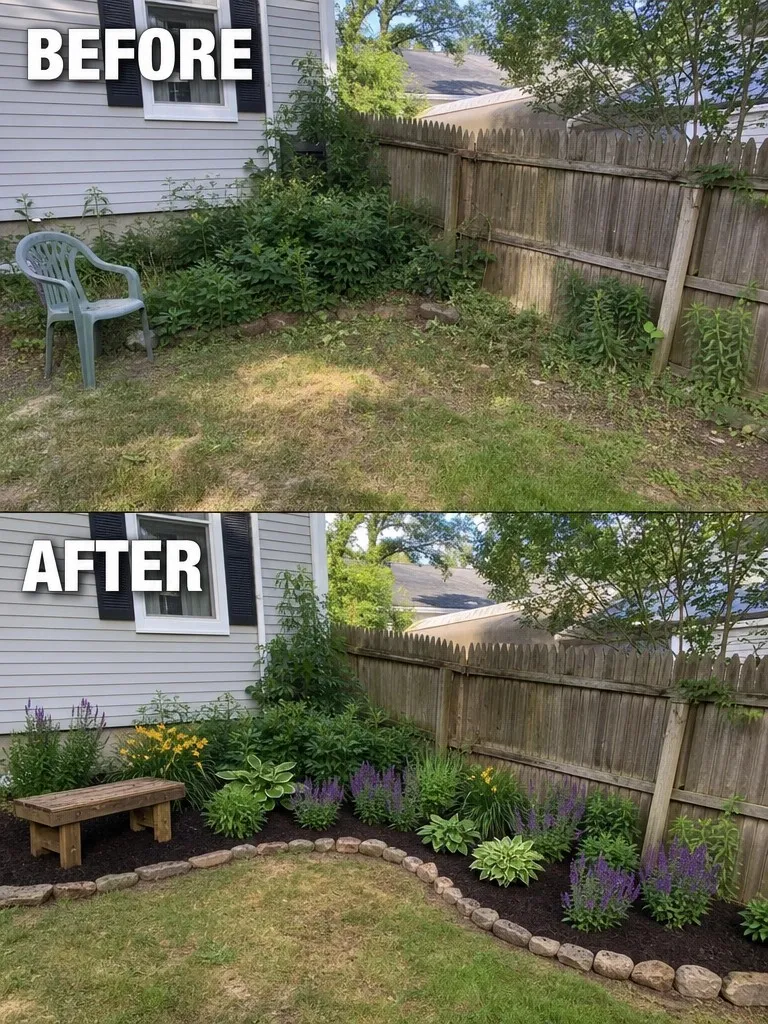
Landscape Starter Projects: $500–$2,500+
This is where ranges get wide, because so much depends on your existing conditions. Are you working with a blank slate or ripping out overgrown shrubs? Do you need a retaining wall, or is the ground level and ready to go?
Where your money goes:
- Site prep: Removing grass, amending soil, or grading a bed can be the biggest hidden cost. Renting a sod cutter runs $70–$100/day. If you hire it out, add $200–$500 depending on the area.
- Mulch: A 3-inch layer of mulch over a 200 square foot bed takes roughly 2 cubic yards. Bulk delivery runs $40–$80 per yard. Don't skip mulch—it suppresses weeds and holds moisture.
- Plants: Here's where the budget varies most. A mix of perennials, shrubs, and ornamental grasses for a 200 sq ft bed might run $150–$400 depending on plant sizes and selections.
- Edging: Landscape edging defines beds and cuts down on maintenance. Steel or aluminum edging is more durable than plastic. Budget $50–$150 for a modest bed.
Where to save: Buy smaller plants. A one-gallon perennial that costs $8 will look almost identical to a three-gallon plant at $22 within a season or two. Patience is free.
Where to splurge: A few key anchor plants—a specimen shrub or ornamental tree—make a bed look intentional and designed. One or two quality focal plants elevate everything around them.
The Costs Nobody Mentions
Beyond the obvious line items, a few sneaky expenses trip up first-timers:
- Fertilizer and amendments: Even good soil benefits from seasonal feeding. Budget $20–$50 per season.
- Pest and disease management: Organic options like neem oil, insecticidal soap, or row covers add $20–$40 to your annual spend.
- Replacement plants: Some things don't make it. That's gardening. Give yourself a small buffer—maybe 10–15% of your plant budget—for replanting.
The Honest Bottom Line
Beautiful gardens don't require deep pockets. They require realistic planning and knowing where quality actually matters. Spend on soil. Spend on a few well-chosen anchor plants. Save everywhere else until you know what you love and what grows well in your space.
The best investment any new gardener can make isn't a specific product—it's time. Spend a season learning how your yard works, where the sun hits longest, and which corners stay soggy after rain. That knowledge is worth more than any premium tool or designer plant variety.
At Frankie's Nursery, we've helped hundreds of first-time gardeners figure out where to start. Come in with your questions, your measurements, and your honest budget—we'll help you build something worth growing into.