Ditch the Grass Without Losing the Curb Appeal: A Homeowner's Guide to Converting Your Lawn
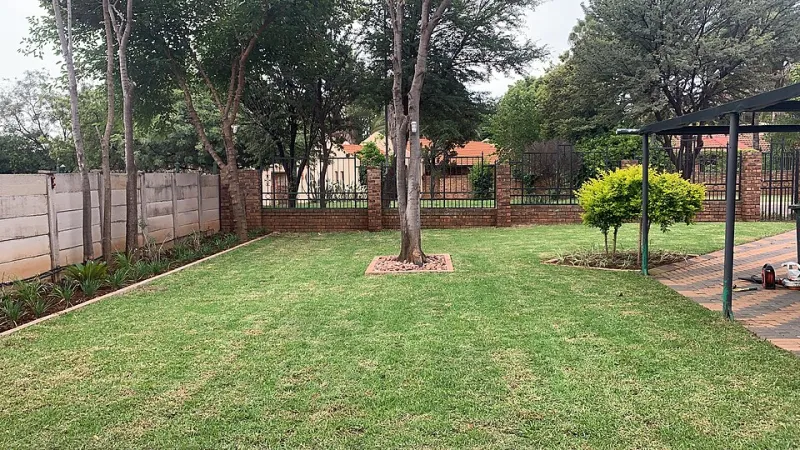
Photo: Jakes Oosthuizen, CC BY-SA 4.0, via Wikimedia Commons
American lawns consume roughly 9 billion gallons of water every day. They require fertilizer, herbicide, mowing, edging, and a surprising amount of emotional energy. And yet, most homeowners keep theirs going mostly out of habit—and a vague worry about what the neighbors might think.
If you've been eyeing your grass and thinking there has to be a better way, you're not wrong. Converting a traditional lawn to a low-maintenance planted garden is one of the most satisfying projects a homeowner can take on. But it does require a real plan. Do it haphazardly and you'll end up with something that looks abandoned. Do it thoughtfully and you'll have a yard that's genuinely beautiful, dramatically easier to care for, and a lot kinder to your water bill.
Here's how to do it right.
Start With a Realistic Scope
One of the most common mistakes in lawn conversion is trying to do too much at once. Ripping out your entire front yard over a single weekend sounds satisfying in theory. In practice, it leaves you with a large bare area that's immediately vulnerable to erosion and weed colonization—and a project that can feel overwhelming to finish.
Instead, think in phases. Pick one defined area—maybe a strip along the front walkway, or the section beneath a tree where grass never really grew well anyway. Convert that area fully and let it establish before moving to the next zone. This approach keeps the project manageable, lets you learn what works in your specific yard, and means your property always looks like a work in progress by design rather than by accident.
Timing Matters More Than You Think
Fall is genuinely the best time to start a lawn conversion in most parts of the US. Cooler temperatures mean less stress on new plants, soil moisture tends to be more consistent, and you're giving ground covers and perennials an entire season of root development before they have to face summer heat.
Spring is a solid second choice—especially in the northern states where fall planting windows are short. What you want to avoid is planting in the middle of summer, when newly installed plants are fighting heat and drought stress right from the start.
If you're using the sheet mulching method (more on that in a moment), you can actually start the process any time of year and let it work over several months before you plant into it.
How to Kill the Grass Without Chemicals
You've got a few options here, and the right one depends on your timeline and how much effort you want to put in upfront.
Sheet mulching (lasagna method): This is our favorite approach at Frankie's because it's low-effort and genuinely effective. Mow the grass as short as possible, then cover the entire area with overlapping layers of cardboard (remove any tape or staples). Wet the cardboard thoroughly, then pile 4–6 inches of wood chip mulch on top. The cardboard smothers the grass and breaks down over 3–6 months, adding organic matter to the soil. By spring, you can plant directly into it.
Solarization: Cover the area with clear plastic sheeting and let summer heat do the work. This kills grass and weed seeds effectively but takes 4–6 weeks of full sun and works best in warmer climates.
Manual removal: Satisfying but labor-intensive. Best for smaller areas. Rent a sod cutter if you're doing more than a few hundred square feet.
Whatever method you use, take the time to do it completely. Trying to plant into a half-killed lawn is a recipe for constant weeding.
Choose Plants That Look Intentional
The difference between a converted lawn that looks designed and one that looks neglected usually comes down to plant selection and layout. You want a mix that provides consistent texture, stays relatively tidy, and doesn't require constant intervention to look good.
Here are some categories that work especially well:
Ground covers for a carpet-like effect:
- Creeping thyme (Thymus serpyllum) — low, fragrant, blooms in summer, handles foot traffic
- Mazus reptans — spreads quickly, tiny purple flowers, works in partial shade
- Ajuga (bugleweed) — deep green or bronze foliage, spreads reliably, great under trees
- Sedum varieties — succulent texture, drought-tolerant, especially good in dry or sunny spots
Ornamental grasses for movement and structure:
- Blue oat grass (Helictotrichon sempervirens) — tidy blue-silver mounds, very low maintenance
- Karl Foerster feather reed grass — upright and architectural, stays in bounds unlike some grasses
- Prairie dropseed — native option, fine texture, beautiful fall color
Perennial anchors to add height and interest:
- Native coneflowers, salvia, and catmint all provide seasonal color without demanding much care
- Mass plantings of a single species look intentional and designed rather than random
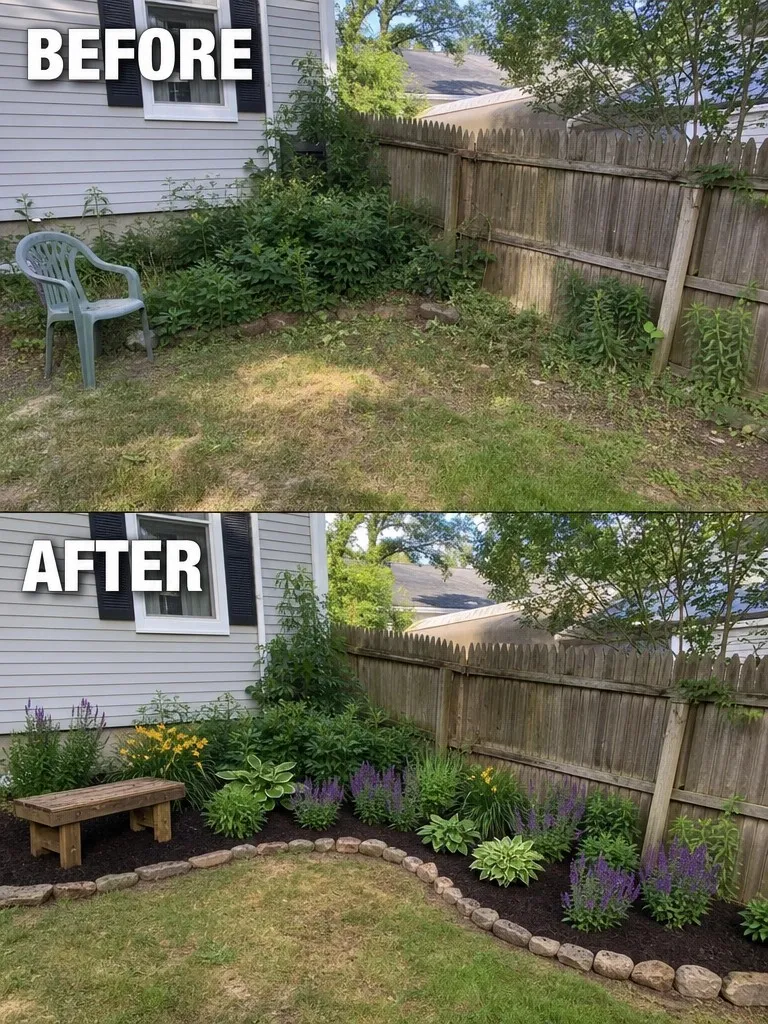
The key to that manicured look is defined edges. A clean border between your planted area and the sidewalk or driveway does more for the overall appearance than almost anything else. Steel or aluminum edging is durable and gives a sharp line that reads as intentional from the street.
Mulch Is Your Best Friend
Once you've planted, mulch everything. Two to three inches of shredded hardwood or wood chip mulch suppresses weeds, retains moisture, and—critically—makes the whole bed look finished and cared-for even when plants are still small and filling in.
Refresh the mulch layer once a year, usually in spring. It takes maybe an hour for an average front yard bed and makes an enormous visual difference.
Managing the Neighbor Factor
Let's be honest: some neighbors will have opinions. The easiest way to head off any friction is to make sure your conversion looks deliberate from day one. That means:
- Clear, defined edges between planted areas and hardscape
- No large bare patches (mulch everything you haven't planted yet)
- Avoid letting anything get scraggly or overgrown during the transition
- If you're in an HOA, check the guidelines before you start—many now have provisions for low-water or native plantings, but it's worth knowing the rules
A yard that's clearly designed—even if it doesn't have a single blade of grass—tends to get compliments, not complaints.
What You'll Actually Save
Once your converted garden is established (usually by the second full season), the maintenance difference is dramatic. No mowing. Dramatically reduced watering—many ground covers and native plantings get by on rainfall alone after establishment. No fertilizing. The occasional weeding session, but far less than a lawn requires.
Your Saturday mornings back. That alone might be worth it.
If you're ready to start planning your conversion, stop by Frankie's and let's talk through what makes sense for your yard, your zone, and your lifestyle. We've helped a lot of homeowners make this transition, and we love seeing the results.