Gorgeous but Ghost Town: Why Pollinators Are Skipping Your Yard
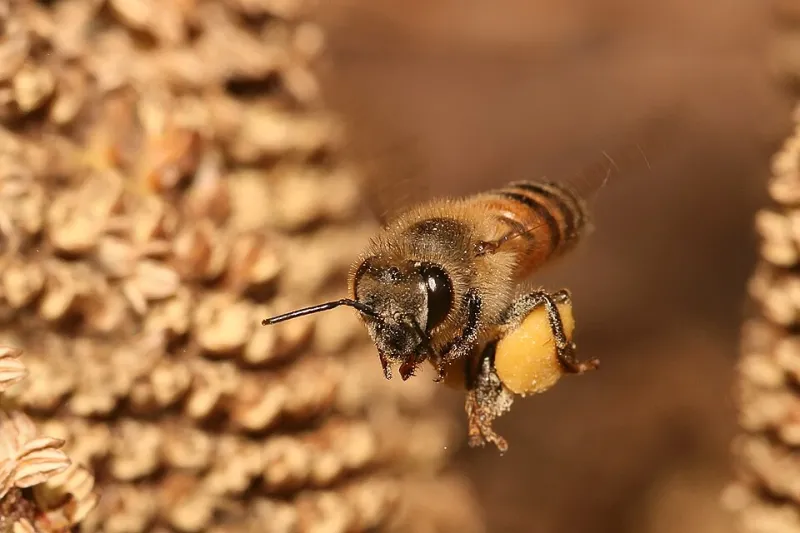
Photo: Muhammad Mahdi Karim, GFDL 1.2, via Wikimedia Commons
You spent weeks planning your beds. You watered, mulched, deadheaded, and fussed. By midsummer, your garden looks like something out of a magazine spread. But here's the thing — it's quiet. No bees working the blooms. No monarch butterflies drifting through. Not even a hummingbird making its high-pitched little flyby.
That disconnect between a visually stunning garden and a biologically empty one is more common than most people realize. And if you're scratching your head wondering what went wrong, you're not alone. At Frankie's Nursery, we hear this exact frustration from homeowners all the time. The good news? The fix is usually more straightforward than you'd expect.
The Monoculture Trap
One of the most common culprits is a garden that looks diverse but actually isn't — at least not from a pollinator's perspective. Planting ten of the same variety in a sweeping mass might look dramatic, but pollinators are searching for a buffet, not a single-dish restaurant.
Bees, in particular, are generalists. Different species have different tongue lengths, body sizes, and foraging preferences. A garden that only offers one or two bloom types will attract a narrow slice of your local pollinator population and leave the rest with nothing to work with.
The solution here is layering variety intentionally. Aim for at least five to seven different flowering plant species in any given bed, and try to stagger their bloom times so something is always open from early spring through fall. Think of it like keeping the kitchen stocked year-round instead of just cooking one big holiday meal.
Native Plants Aren't Optional — They're the Foundation
Here's something that surprises a lot of gardeners: many pollinators, especially native bees and specialist butterflies, have evolved alongside specific native plant species over thousands of years. They're not being picky — they're biologically wired to seek out those plants.
A garden full of exotic ornamentals, no matter how striking, can be functionally invisible to a large chunk of your local pollinator community. Certain butterfly larvae, for example, will only feed on specific host plants. Monarch caterpillars need milkweed (Asclepias spp.). Black swallowtails want plants in the carrot family. Without those host plants, the adult butterflies may visit briefly for nectar but won't stick around to reproduce.
Adding native plants doesn't mean your garden has to look wild or unkempt. Native coneflowers (Echinacea), black-eyed Susans (Rudbeckia), native bee balm (Monarda), and wild bergamot are all genuinely beautiful plants that pull double duty as pollinator magnets. Stop by and we can help you find natives that are well-suited to your region and your aesthetic.
The Pesticide Problem Nobody Talks About
This one's a tough conversation, but it needs to happen. Even gardeners who genuinely care about pollinators are sometimes unknowingly poisoning them.
Systemic pesticides — especially neonicotinoids — are absorbed into every part of a plant, including the pollen and nectar. A bee visiting a treated flower doesn't need to be directly sprayed to be affected. These chemicals can impair navigation, memory, and reproduction in bees even at sub-lethal doses.
The tricky part is that many plants sold at big-box retailers are pre-treated with these compounds before they even hit the shelf. It's worth asking where your plants come from and how they've been grown. At Frankie's, we're careful about what we bring in, and we're always happy to talk through what's been used on our stock.
If pest pressure is a real issue in your garden, lean toward targeted, physical interventions first — hand-picking, insecticidal soap for soft-bodied pests, or row covers during vulnerable periods. Save any chemical treatments as a last resort, and if you do spray, do it in the evening when pollinators are less active.
Habitat Gaps You Might Not Have Noticed
Pollinators don't just need food — they need shelter, water, and nesting sites. A garden that's been over-tidied can actually work against you.
Ground-nesting bees, which make up the majority of native bee species in the US, need patches of bare or loosely mulched soil to dig their nests. If every square inch of your beds is covered in thick wood chip mulch, there's nowhere for them to set up home. Try leaving some small areas with exposed soil, especially in sunny spots.
Solitary bees like mason bees and leafcutter bees nest in hollow stems and small cavities. That's a great argument for leaving some old perennial stems standing through winter rather than cutting everything back to the ground in fall. A small bee hotel can also help, though research suggests that pairing it with the right native plants nearby makes it far more effective.
And don't underestimate water. A shallow dish with a few pebbles for landing spots can make your yard genuinely more attractive to a wide range of insects and hummingbirds — especially during dry summer stretches.
Rethink the "Perfect" Lawn
If your garden beds are surrounded by an immaculate, chemically maintained lawn, that's a significant barrier for pollinators moving through your space. Lawns treated with broadleaf herbicides eliminate clover and dandelions — two of the most important early-season food sources for bees emerging in spring before much else is blooming.
You don't have to give up your lawn entirely. But letting a section go a little wilder, or overseeding with a clover mix, can make a real difference. Even a narrow border of flowering ground covers at the edge of your lawn creates a corridor that pollinators can travel through.
Start Small, Think Long-Term
Transforming your garden into a pollinator haven doesn't require a complete overhaul. Start by adding three or four native species to your existing beds this season. Swap out one pesticide application for a manual alternative. Leave a small patch of stems standing this fall.
The results often show up faster than people expect. Once pollinators discover a reliable food source, they tend to return — and bring friends. Within a season or two of making even modest changes, you may find your garden has gone from silent to genuinely alive.
That's the kind of garden we love helping people grow here at Frankie's. One that's beautiful and buzzing. Come talk to us and we'll help you figure out where to start.