Stop Blaming the Shade: What's Really Killing Your North-Facing Beds
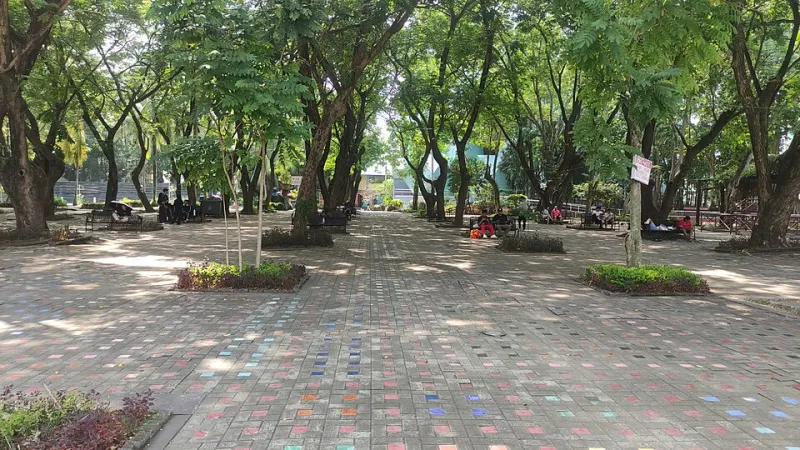
Photo: PAULIX04, CC BY-SA 4.0, via Wikimedia Commons
Let's be honest for a second. If your shade garden looks rough — sparse, yellowing, full of plants that just sort of exist rather than thrive — you've probably blamed the lack of sun. And sure, shade is a constraint. But in most cases, it's not the actual problem.
At Frankie's, we've walked through hundreds of struggling shade beds with frustrated homeowners, and the pattern is almost always the same. The shade gets blamed. The real culprits — compacted soil, wrong plant choices, dry conditions that nobody expected — go unaddressed. The gardener tries again next year with different plants and gets the same result.
This is the article that breaks that cycle. We're going to call out the most common mistakes, challenge a few things you've probably heard before, and give you a clear path toward a shade garden that genuinely stops people in their tracks.
Mistake #1: You're Treating All Shade the Same
Here's something that surprises a lot of people: shade is not a single condition. It's a spectrum, and the difference between one end and the other is enormous.
- Full shade means less than 2 hours of direct sun per day. Think the north side of a house, or deep beneath a dense evergreen canopy.
- Part shade means 2–4 hours of direct sun, usually with protection from harsh afternoon rays.
- Dappled shade is the intermittent light that filters through a deciduous tree canopy — arguably the most forgiving condition of all.
When you buy a plant labeled "shade tolerant" and stick it in deep, dry shade under a spruce tree, you're not following the plant's actual requirements — you're guessing. Most popular shade plants, including hostas, astilbes, and bleeding heart, actually prefer part shade or dappled light. Plop them in full shade and they'll survive, but they won't put on a show.
The fix: Before you buy a single plant, spend a few days actually observing your space. Note when direct sun hits it and for how long. Then shop accordingly.
Mistake #2: You Skipped the Soil Work
This is the big one. This is the mistake we see more than any other, and it's the one that dooms shade gardens before they even get started.
Shaded areas — especially those under mature trees — are notorious for having terrible soil. Tree roots compete aggressively for water and nutrients. The soil gets compacted from foot traffic and root pressure. Organic matter gets depleted over time because leaves are often raked away rather than allowed to break down naturally.
The result is hard, dry, nutrient-poor soil that even the toughest shade plants struggle to establish in. And yet most gardeners skip straight to planting.
The fix: Amend aggressively before you plant anything. Work in several inches of quality compost — this improves drainage in clay soils, adds water retention in sandy soils, and rebuilds the organic matter that shade-bed soil desperately needs. If you're dealing with surface tree roots that make digging difficult, consider building up with a thin layer of compost and topsoil rather than digging down. Avoid piling soil directly against tree trunks, but a gentle 2–3 inch layer over the root zone is generally fine.
Also: mulch. A 2–3 inch layer of shredded bark or wood chip mulch conserves moisture, moderates soil temperature, and suppresses weeds. Shade gardens dry out faster than most people expect, especially under tree canopies that intercept rainfall. Mulch is not optional.
Mistake #3: You're Relying on the Same Ten Plants Everyone Uses
Hostas. Impatiens. Maybe some ferns. This is the shade garden starter pack, and there's nothing wrong with any of those plants. But if that's all you're planting, you're leaving a huge amount of visual interest on the table — and you're also setting yourself up for disappointment if conditions aren't quite right.
Impatiens, for example, have been devastated by downy mildew in many parts of the US over the past decade. Planting a bed full of them is a gamble that doesn't always pay off anymore.
The world of shade-loving plants is far richer and stranger and more beautiful than most people realize. Here are some genuinely underused options worth getting excited about:
For foliage impact:
- Japanese forest grass (Hakonechloa macra) — Cascading, golden-green foliage that glows in low light. 'Aureola' is the classic, but 'All Gold' is even more striking.
- Coral bells (Heuchera) — Available in an almost absurd range of colors, from deep burgundy to bright lime to near-black. Evergreen in mild climates, and deer resistant.
- Caladiums — Tropical-looking, bold, and available in patterns that look almost too exotic to be real. Treat as annuals in zones below 9 or dig and store tubers for winter.
For flowers:
- Toad lily (Tricyrtis) — Blooms in fall when almost nothing else does in shade, with orchid-like spotted flowers that look like they belong in a botanical illustration.
- Astrantia (masterwort) — Delicate, star-shaped blooms in pink, white, and deep red. Long-blooming and absolutely beautiful in arrangements.
- Celandine poppy (Stylophorum diphyllum) — A native wildflower that produces bright yellow blooms in spring and self-seeds politely. Perfect for naturalized areas.
- Foamflower (Tiarella) — Another native, with feathery white or pink blooms in spring and attractive maple-like foliage. Spreads nicely as a groundcover.
For structure and height:
- Oakleaf hydrangea (Hydrangea quercifolia) — Native to the southeastern US, but adaptable across a wide range of zones. Massive white blooms, gorgeous fall color, and exfoliating bark for winter interest.
- Native ferns — Not the generic ferns you're thinking of. Ostrich fern, cinnamon fern, and autumn fern each bring something distinct. Mix them for texture.
Mistake #4: You're Expecting Too Much, Too Fast
Shade gardens operate on a different timeline than sunny borders. Plants establish more slowly in lower light, and the payoff is often gradual. A hosta that looks small and unimpressive in year one might be a magnificent three-foot specimen by year three.
A lot of gardeners pull the plug too early, replacing plants that just needed more time. Others interpret slow growth as failure and start piling on fertilizer, which can actually do more harm than good in low-light conditions where plants aren't actively growing fast enough to use it.
The fix: Be patient. Give shade plants two full growing seasons before you make any major changes. Use a slow-release, balanced fertilizer in spring — nothing aggressive. And resist the urge to overcrowd the space to fill it in faster; plants that are too close together compete for what little light there is.
Mistake #5: You're Ignoring the Vertical Dimension
Shade gardens often feel flat and monotonous because everything is planted at ground level. The fix is simple: think in layers.
- Canopy layer — Your existing trees, or a new shade tree if you're starting from scratch.
- Understory layer — Smaller flowering trees and large shrubs. Serviceberry, witch hazel, and pagoda dogwood are all excellent native options.
- Shrub layer — Oakleaf hydrangea, mountain laurel, rhododendron, or native azaleas.
- Perennial layer — Your hostas, ferns, astilbes, and other mid-height plants.
- Groundcover layer — Wild ginger, pachysandra, or creeping Jenny to knit everything together and suppress weeds.
When you build a shade garden with real vertical structure, it stops looking like a collection of plants and starts feeling like a place.
The North-Facing Bed Isn't a Problem. It's a Canvas.
Here's the reframe we want to leave you with. That difficult, shaded corner of your yard isn't a liability — it's an opportunity to grow things your sun-drenched neighbors can't. Shade gardens can be genuinely lush, layered, and cool in the best possible sense of the word.
The gardeners who struggle are the ones who fight the conditions. The ones who succeed are the ones who understand them.
Come talk to us at Frankie's Nursery. We'll walk your space with you, help you identify what you're actually working with, and point you toward plants that won't just survive in your shade — they'll own it.