Big Impact, Small Budget: The Smart Gardener's Playbook for Container Gardens That Wow
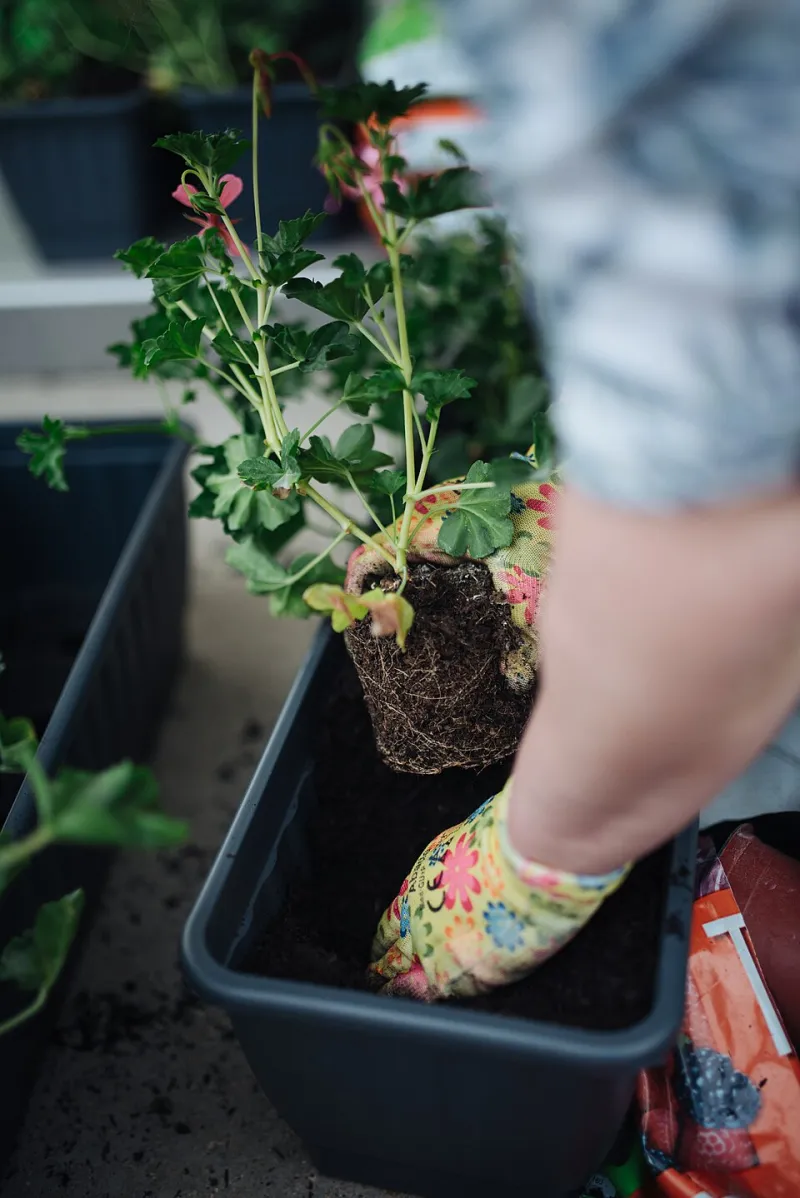
Photo: Shixart1985, CC BY 2.0, via Wikimedia Commons
Let's be honest: container gardening has a bit of a reputation for being expensive. A glazed ceramic pot, a bag of premium potting mix, a flat of annuals — it adds up fast. But it doesn't have to. Some of the most striking container displays we've seen have been put together for next to nothing, using a mix of resourceful thinking, smart plant choices, and a little design know-how.
Whether you've got a front porch, a balcony, a narrow entryway, or a sprawling patio, containers are one of the most flexible and satisfying ways to garden. Here's how to do it without the sticker shock.
Start With the Container — and Think Outside the Pot
Fancy planters are beautiful, but they're rarely necessary. Before you spend $60 on a ceramic urn, consider what you might already have or could source cheaply.
Repurpose what you've got. Old colanders, wooden crates, galvanized metal buckets, wine barrels, and even worn-out boots have all found second lives as planters. The only real requirement is that water can drain out somehow — a drill and a half-inch bit solve most drainage problems in minutes.
Hit the thrift stores and estate sales. Mismatched ceramic crocks, vintage metal tubs, and old wooden boxes can be had for a few dollars and look incredible planted up. Don't overlook cast-iron cookware either — a large Dutch oven makes a surprisingly charming planter for succulents.
Buy plastic, dress it up. Lightweight plastic nursery containers are inexpensive and functional, and if the look bothers you, simply set them inside a basket, burlap-wrapped crate, or decorative sleeve. You get the practicality of a lightweight pot without paying for aesthetics you can hide anyway.
Buy in sets at the end of season. Retailers mark down containers dramatically in late summer and fall. Stock up then and you'll have a full lineup ready for next spring at a fraction of the cost.
Choose Plants Strategically
This is where most container gardeners overspend. A flat of premium annuals feels like a deal until you realize you need four of them to fill your pots — and you're doing it again in three months.
Lean on perennials and grasses. Yes, annuals are the classic container plant, but perennials and ornamental grasses can overwinter in containers in many zones, or be transplanted to a garden bed at season's end. You get multiple seasons out of one purchase. Heucheras (coral bells), sedges, dwarf fountain grass, and hardy ferns are all excellent choices.
Buy small, let them grow. Smaller plant sizes — the 4-inch pots versus the gallon containers — cost significantly less and catch up quickly once they're in a good potting mix with regular water and fertilizer. Give them a few weeks and you'll barely notice the size difference at planting.
Look for the underused stuff. Trendy plants come with a trendy price tag. Creeping Jenny, sweet potato vine, bacopa, and million bells are all reliable performers that tend to be priced lower than showier varieties. Ornamental sweet potato vine in particular is a workhorse — fast-growing, dramatic, and usually very affordable.
Divide what you have. Already growing hostas, daylilies, or ornamental grasses in your beds? Divide them in spring and pot up the divisions. Free plants, and they'll be right at home in containers.
Grow from seed where it makes sense. Not everything is practical to start from seed for containers, but marigolds, zinnias, nasturtiums, and herbs are all fast, easy, and dramatically cheaper than buying transplants. A single seed packet can fill multiple pots.
Design Like a Pro (Without Paying Like One)
Good container design comes down to a few simple principles that cost nothing to apply.
The thriller, filler, spiller formula. You've probably heard this one, and it works. One tall, dramatic plant (the thriller) gives the arrangement height and a focal point. Mounding, bushy plants (fillers) add density and color. Trailing plants (spillers) cascade over the edge and soften the whole look. This three-part structure makes even simple combinations look intentional and polished.
Repeat colors, not necessarily plants. You don't need to buy matching plants for every pot on your porch. Instead, pull one or two colors through multiple containers using different plants. A red geranium in one pot, red coleus in another, and red-veined caladium in a third will read as a cohesive collection even though the plants are completely different.
Vary container heights. Placing pots at different heights — using an upturned pot, a wooden crate, or a step stool as a riser — adds dimension and visual interest to any grouping. It also makes smaller containers look like deliberate design choices rather than afterthoughts.
Odd numbers work better. A grouping of three or five containers almost always looks more natural and dynamic than an even-numbered arrangement. It's a small thing, but it makes a real difference.
Stretch Your Potting Mix Budget
Potting mix is one of those inputs you don't want to cheap out on entirely — good drainage and aeration matter for container plants. But you can be strategic.
Don't fill large containers with pure potting mix. For big pots, fill the bottom third with lightweight filler: empty plastic bottles, foam packing peanuts (the non-dissolving kind), or pine cones. Potting mix goes on top where the roots actually live. You use less mix and the container stays lighter.
Buy in bulk when you can. Larger bags of potting mix have a lower cost per cubic foot than smaller ones. If you have multiple containers to fill, it's worth doing the math.
Refresh, don't always replace. At the end of the season, used potting mix can be revitalized with a dose of compost and a slow-release fertilizer rather than being thrown out entirely. It won't be as fluffy as fresh mix, but for low-demand plants it works just fine.
Keep Them Looking Good All Season
A beautiful container in May that looks ragged by July isn't doing your curb appeal any favors. A few simple habits keep things looking sharp without a lot of extra work.
- Deadhead regularly. Removing spent blooms keeps most annuals flowering longer and prevents a tired, weedy look.
- Feed consistently. Container plants are entirely dependent on you for nutrients. A liquid fertilizer every two weeks or a slow-release granular at planting time makes a visible difference in color and fullness.
- Don't let them dry out. Containers dry out much faster than garden beds. Check them daily in hot weather and water deeply when the top inch of soil is dry.
- Swap out what's done. If a plant fades mid-season, pull it and drop in a fresh one. A single new addition can revive a whole arrangement.
The Takeaway
Great container gardens aren't about spending more — they're about spending smarter. With a mix of resourceful container sourcing, strategic plant selection, and a few basic design rules, you can put together displays that look like they came from a high-end garden center, without the bill to match. At Frankie's, that's the kind of gardening we love to help people do: beautiful, practical, and well within reach.