Fall Is For Planting: Why Autumn Is the Secret Season Your Garden Has Been Waiting For
Photo: Haoreima, CC0, via Wikimedia Commons
There's a common assumption that the gardening year starts in April and wraps up around Labor Day. If that sounds like your schedule, you're leaving some of the best planting weather on the table. At Frankie's Nursery, fall is honestly one of our favorite times of year — not just because the pumpkins look great out front, but because the conditions are genuinely ideal for getting plants established in the ground.
Cooler air temperatures, reliable rainfall in most regions, and warm soil leftover from summer create a kind of sweet spot that spring just can't compete with. And the plants? They love it.
Why Fall Planting Actually Works
Here's the thing about spring planting that nobody talks about: you're asking a newly transplanted shrub or perennial to put out roots and deal with rising temperatures, increasing sunlight, and the pressure to flower — all at the same time. That's a lot.
When you plant in fall, the above-ground part of the plant starts to slow down naturally. But underground, roots keep growing as long as the soil temperature stays above about 40°F. That means a tree or shrub planted in October has weeks — sometimes months — to anchor itself before it ever has to face the stress of a hot summer. By the time next June rolls around, it's already home.
Less transplant shock, stronger root systems, and often better long-term survival rates. That's a pretty solid argument for swapping some of your spring planting ambitions over to fall.
What to Plant in Autumn
Not everything is a great candidate for fall planting, but a surprising number of plants actually prefer it.
Perennials are probably the easiest win. Coneflowers, black-eyed Susans, ornamental grasses, hostas, and daylilies are all excellent fall transplants. They'll die back to the ground naturally, spend winter building roots, and come up stronger in spring than they would have if you'd planted them in March.
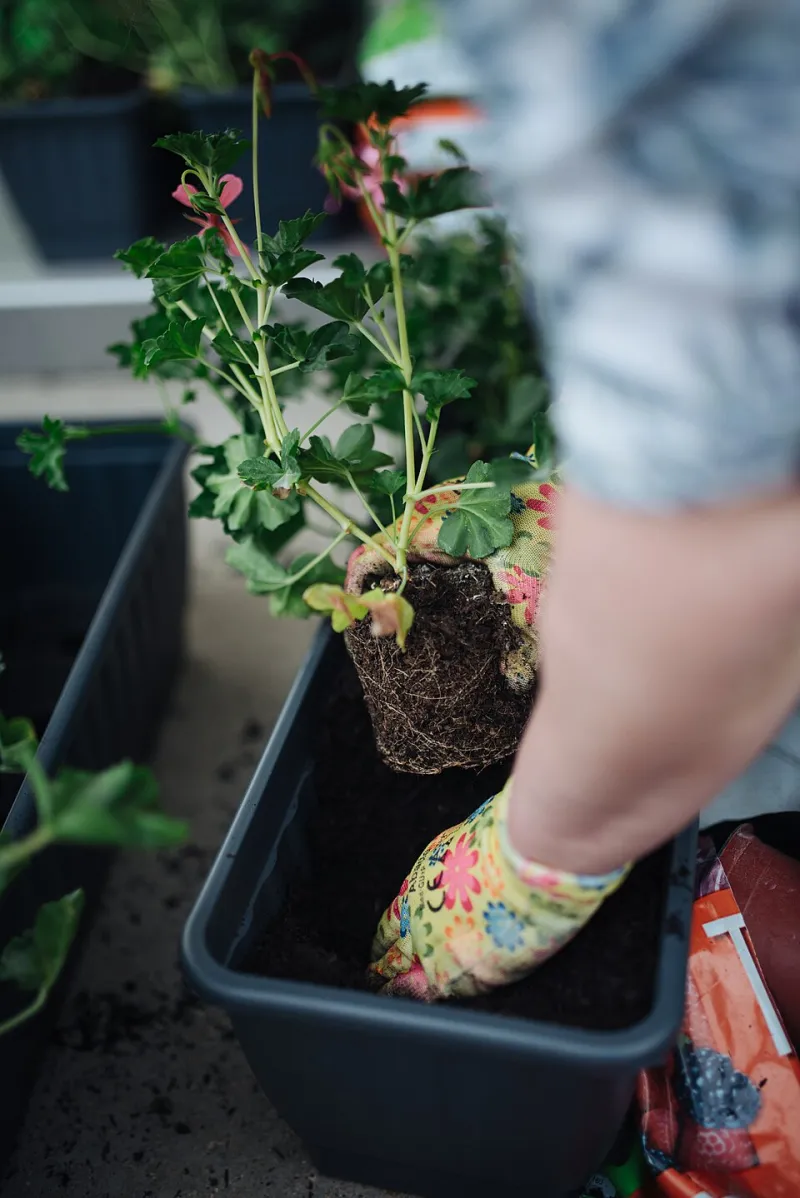
Trees and shrubs are where fall planting really shines. Deciduous varieties — think maples, oaks, dogwoods, viburnums, and spirea — are slowing their above-ground growth right as you're putting them in the ground. That means almost all their energy goes straight into root development. Balled-and-burlapped and container-grown specimens both do well when planted six weeks or more before your first hard freeze.
Spring-blooming bulbs are an obvious one, but worth mentioning. Tulips, daffodils, hyacinths, and alliums all need a cold period to bloom, so fall is the only time to plant them. Get them in the ground before the soil freezes solid and you'll have a serious show come April.
What to hold off on: Broadleaf evergreens like rhododendrons and hollies can be tricky in fall because they keep losing moisture through their leaves all winter. If you're set on planting them in autumn, do it early in the season — late August to mid-September — so they have more time to settle in. And most gardeners are better off waiting until spring for tropical plants or anything marginally hardy in their zone.
Timing by Region: A Quick US Guide
Fall planting windows vary quite a bit depending on where you live, so it's worth knowing your general zone before you start digging.
Zones 3–4 (Upper Midwest, northern New England, Montana, northern Minnesota): Your window is short. Aim to get everything in the ground by mid-September to give plants at least four to six weeks before a hard freeze arrives. This is tight, but doable for perennials and hardy shrubs.
Zones 5–6 (Ohio Valley, mid-Atlantic, Pacific Northwest, much of the Midwest): October is your prime planting month. You typically have until late October or even early November before the ground starts to freeze consistently. This is an ideal range for fall planting.
Zones 7–8 (Southeast, parts of Texas, Pacific Coast): You have real flexibility here. Planting can extend well into November, and in some areas even December. Fall is arguably better than spring for trees and shrubs in these zones because summers are brutal and newly planted specimens struggle in the heat.
Zones 9–10 (Southern California, South Florida, Gulf Coast): Fall and winter are your growing season for many plants. Vegetables, annuals, and cool-season plants all go in now. Trees and shrubs planted in October through February have the best chance of getting established before the heat returns.
If you're not sure of your zone, the USDA Plant Hardiness Zone Map is a free resource that makes it easy to look up your area.
Tips for Getting Transplants Through the Winter
Planting in fall doesn't mean planting and forgetting. A little extra care goes a long way toward making sure your new additions survive to spring.
Water thoroughly at planting time. Even if it's been raining, newly transplanted trees and shrubs need a deep, slow soak right when they go in. This eliminates air pockets around the roots and gets them in good contact with surrounding soil.
Keep watering until the ground freezes. This surprises a lot of people. Plants still need moisture through fall, even after their leaves drop. Keep an eye on rainfall and supplement when it's dry. The goal is to go into winter with moist (not soggy) soil.
Mulch generously. A three- to four-inch layer of shredded bark or wood chip mulch around the base of new plantings does two important things: it insulates the soil, slowing the freeze and extending root growth; and it moderates temperature swings that can heave plants out of the ground. Keep mulch a few inches away from the trunk or crown to prevent rot.
Skip the fertilizer. It might feel counterintuitive, but fertilizing in fall encourages leafy top growth at exactly the wrong time. Let the plant focus on roots. You can fertilize in early spring once growth resumes.
Protect young trees from deer and frost heave. In areas with heavy deer pressure, a simple wire cage can protect new bark over winter. For small perennials in cold climates, a light covering of straw after the ground freezes helps prevent freeze-thaw cycles from pushing roots out of the soil.
Make Fall Work For You
We always tell customers at Frankie's that the best time to plant something is when the conditions favor the plant — not just when it feels like gardening season. Fall checks a lot of boxes that spring doesn't, and the plants that go in the ground this October will be among the strongest, most established specimens in your yard by next summer.
So don't put the shovel away just yet. The season isn't over — in a lot of ways, it's just getting good.