The $12 Miracle Workers: Bargain Plants That Became the Stars of the Garden
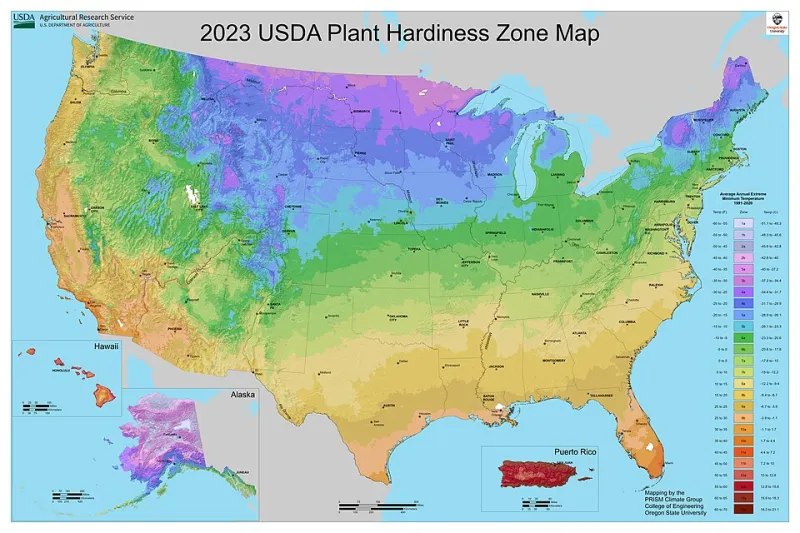
Photo: USDA-ARS and Oregon State University (OSU), Public domain, via Wikimedia Commons
Every gardener has one: the cheap, unassuming, maybe-slightly-sad plant they bought on a whim that went on to become the hardest worker in the yard. We asked our staff and customers to share theirs, and the answers reminded us why we love this business.
The Hydrangea Rescued From the Back Rack
Submitted by Dana, customer since 2011
"It was a little limelight hydrangea, half-broken, marked down to twelve bucks in July. I figured it would die and I'd be out a lunch's worth of money. Six years later it's seven feet tall and stops traffic in August."
Care notes: Panicle hydrangeas are forgiving — full sun to part shade, decent drainage, and a hard cutback in early spring. They bloom on new wood, so you can't prune away the flowers.
The Ajuga That Ate the Shade (In a Good Way)
Submitted by Marcus, Frankie's perennial team
People walk right past ajuga. It's low, it's cheap, it's not blooming when it's sitting on the shelf. But give it a dry-shade problem area — under a maple, along a north walkway — and it forms a glossy purple carpet that nothing else will. "I've stopped fighting moss in those spots," Marcus says. "I just plant ajuga and let it win."
Care notes: Part to full shade, any average soil, spreads happily by runners. Divide every few years or just let it go.
The $10 Eastern Redbud Stick
Submitted by Priya, customer
"Bought a skinny little reseeded rebud whip in a clearance sale because my daughter liked the heart-shaped leaves. That 'stick' is now twenty feet tall and the whole family takes spring photos under it. Best twelve dollars I've ever spent on anything, including my car."
Care notes: Eastern redbud is a native understory tree — give it part shade and well-drained soil. Water deeply the first two summers and then basically forget it.
The Zinnia Packet That Kept Giving
Submitted by Bev, Frankie's annuals team
Okay, technically it's a $3 seed packet, but it earned its spot. Bev sows zinnias directly in the cutting bed each May, and by July she's got armloads of flowers for the kitchen table until frost — plus more butterflies than the rest of the yard combined. "Total cost per summer: one coffee. Total payoff: endless bouquets."
Care notes: Full sun, direct-sow after frost, deadhead (or just cut aggressively) for nonstop blooms. Powdery mildew is the only enemy — give them airflow.
The Sad Mum That Refused the Script
Submitted by Tom, customer
"Everyone throws out their fall mums after Thanksgiving. I stuck mine in the ground behind the garage expecting nothing. It came back, split into three clumps, and now blooms every October like it owns the place."
Care notes: Garden mums are genuinely hardy if planted in the ground early enough to establish — get them in by late summer, mulch well, and pinch them back until mid-July for compact plants.
The Lesson in the Clearance Rack
Here's what all these stories have in common: the plant didn't need to be perfect or expensive. It needed the right spot and someone willing to give it a chance. The next star of your garden is probably sitting in the markdown section right now, looking slightly rough, waiting for you to take it home.
Come see us. We'll point you to the rack — and we'll take full credit in five years.