When the Copy Beats the Original: The Surprising Science of Cuttings That Outgrow Their Parent Plants
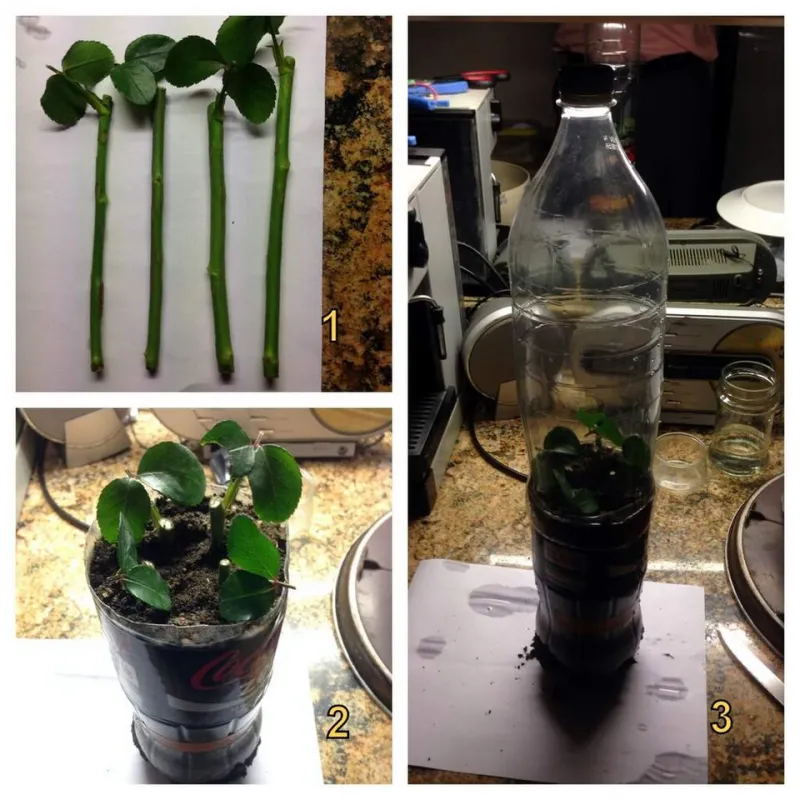
There's a moment every home gardener knows. You're standing in your neighbor's yard, jaw slightly dropped at their climbing rose — the one that's practically eating the fence in the best possible way. They hand you a clipped stem, wrapped in a damp paper towel, and send you home with a casual "just stick it in some soil."
So you do. And two seasons later, your version is absolutely thriving. Maybe even outperforming the original.
Wait — how does that even happen?
It turns out, this isn't just luck or good soil. There's a fascinating bit of plant biology at work, and understanding it can genuinely change how you approach propagation in your own garden.
The Parent Plant Has Baggage
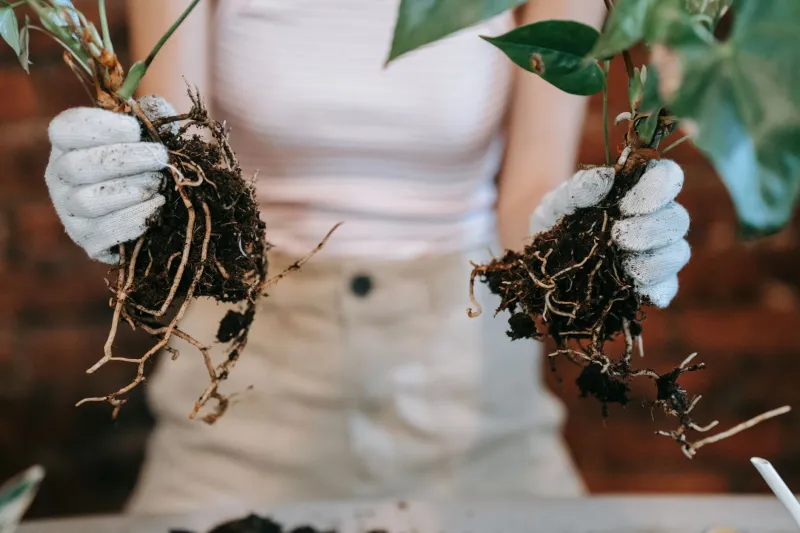
Here's something worth sitting with: a mature plant carries the full weight of its history. Every drought it survived, every pest it fought off, every season it spent pushing energy into roots that are now tangled and competing with themselves — all of that is baked into its physiology.
Established plants, especially woody perennials and shrubs, can accumulate what horticulturalists sometimes call "physiological age." This isn't the same as calendar age. It's more like cellular fatigue. The plant's vascular system gets more complex, its energy allocation shifts toward maintenance rather than growth, and its hormonal balance changes in ways that actually suppress vigorous new shoot production.
A cutting, by contrast, starts fresh. It carries the same genetics as the parent, but it's essentially hitting a biological reset button. The moment that stem is severed and starts generating its own root system, it's operating more like a juvenile plant — and juvenile plants, as any gardener who's watched a young shrub explode in its second year can tell you, are hungry and ambitious.
Juvenility Is a Real Horticultural Concept
Plant scientists have a term for this: the juvenile phase. Young plants and new cuttings often express what's called "juvenile vigor" — faster cell division, stronger apical growth, and in many species, a higher tolerance for stress. Some cuttings even show leaf shapes or growth habits slightly different from the mature parent, a phenomenon called heterophylly.
For practical gardeners, this matters because it means a well-taken cutting isn't just a copy of the parent plant — it's potentially a more energetic version of it. Roses, hydrangeas, forsythia, and many ornamental shrubs are particularly known for producing cuttings that establish quickly and bloom prolifically, sometimes within a single growing season.
This is also why rejuvenation pruning works so well on overgrown shrubs. Cutting a leggy, tired lilac down hard — sometimes to just a few inches — forces it to regenerate from the base. The new growth that emerges is physiologically younger, often more vigorous, and the plant can rebloom with a enthusiasm it hasn't shown in years.
Location, Location, Location (Still)
Of course, genetics and juvenile vigor only tell part of the story. The environment where the cutting lands plays an enormous role. Your neighbor's rose might be planted in compacted clay under a shallow overhang — conditions it adapted to over years but never truly thrived in. Your cutting goes into a raised bed with amended soil, better drainage, and a south-facing exposure.
The cutting doesn't just get a genetic reset. It gets a better situation entirely.
This is why it's worth thinking critically when you propagate. Don't just replicate what you see. Ask yourself what the parent plant was working around, and then give the cutting better odds. Fresh compost, appropriate spacing, good airflow — these aren't just nice-to-haves. They're what lets that juvenile vigor actually express itself.
What This Means for Your Garden Strategy
Once you understand that cuttings can genuinely outperform their parents under the right conditions, propagation stops feeling like a budget hack and starts feeling like a legitimate garden design tool.
A few practical takeaways:
Take cuttings from the healthiest growth, not just any growth. Softwood cuttings — the new, pliable stems taken in late spring or early summer — tend to root fastest and carry the strongest juvenile characteristics. Semi-hardwood cuttings taken in late summer work well for many shrubs and are a bit more forgiving if you're newer to propagation.
Don't overlook the timing of the parent plant's cycle. Cuttings taken when the parent is actively growing and well-fed tend to establish more successfully than those taken from a stressed or dormant plant. Think of it like this: you want to borrow energy from a plant that has plenty to spare.
Give cuttings room to surprise you. Many gardeners pot up cuttings expecting them to be smaller, slower versions of the original. Sometimes they are. But give them a full season in good conditions before you write them off — or before you assume they'll stay modest. That little rose stem might have big plans.
Consider propagating your own best performers, not just plants you admire elsewhere. If you've got a coneflower that's been absolutely unstoppable, or a salvia that rebloomed all the way to frost last fall, take cuttings or divisions from it. You're essentially banking that vigor and giving it a fresh start somewhere else in the yard.
A Note on Plant Patents (Don't Skip This Part)
Before you start snipping stems from every garden you visit, it's worth knowing that many modern rose varieties and hybrid ornamentals are patented. Propagating patented plants — even for personal use — can technically violate federal plant patent law in the US. The patent protection typically lasts 20 years from the filing date.
This doesn't mean you can't propagate at all. Plenty of open-pollinated heirlooms, older cultivars, and species plants are fair game. When in doubt, check the tag or do a quick search on the variety name. Older roses like 'New Dawn,' 'Zéphirine Drouhin,' or virtually any true species rose are unpatented and perfectly legal to propagate to your heart's content.
The Bigger Picture
There's something quietly wonderful about the idea that a plant can hand you a piece of itself and, under the right care, that piece can outshine it. It's not a betrayal of the original — it's more like a second chance. A fresh start with better information.
That's kind of what gardening is, when you think about it. You take what you've learned, what you've observed, what's worked and what hasn't — and you try again with a little more intention.
The cutting doesn't know it came from somewhere else. It just knows it has roots now, good soil, and somewhere to grow. Sometimes that's all anything needs.