What Commercial Growers Know That You Don't: The One Tweak That Changes Everything

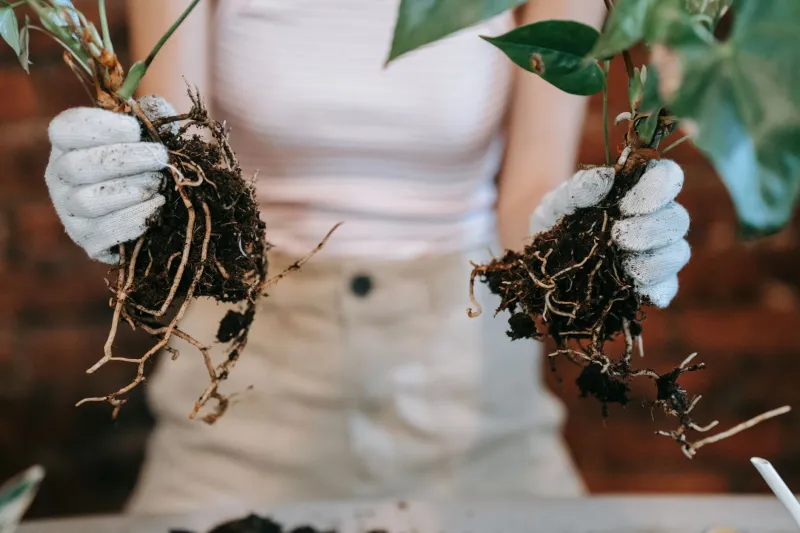
Photo by Photo by Abigail Lynn on Unsplash on Unsplash
Why Do Nursery Plants Look So Good?
Walk into any well-run nursery in late spring and you're hit with it immediately—that wall of green, the dense foliage, the rows of plants that look like they've never known a single bad day. Everything is full. Everything is reaching. Nothing looks sad.
Then you bring one home, set it on your porch, and three weeks later you're Googling "why is my plant dying."
Here's the thing: it's not you. Well, mostly it's not you. What you're bumping up against is something we at Frankie's call the nursery effect—a combination of environmental conditions that professional growers dial in almost obsessively, and that home gardeners rarely think about at all.
The good news? You don't need a greenhouse. You don't need a $400 grow light setup or a misting system or a climate-controlled sunroom. You need one change. But to understand why that change matters, it helps to peek behind the curtain at how commercial growing actually works.
The Three Pillars of a Commercial Growing Environment
Professional nurseries—whether they're growing annuals for the big box stores or propagating specialty perennials for independent garden centers like ours—are basically running a continuous science experiment. Every variable that affects plant growth is being monitored and managed.
Light cycles are the most obvious one. Commercial greenhouses use supplemental lighting on timers to extend day length, especially in late winter when they're pushing early-season inventory. Plants get consistent, reliable light exposure every single day, regardless of cloud cover or season.
Airflow is the one most people never think about. Nursery greenhouses run circulation fans constantly—not to cool the space, but to strengthen plant stems. When stems are gently buffeted by moving air, they respond by growing thicker and more resilient. This is called thigmomorphogenesis, which is a word you can absolutely drop at your next dinner party. Plants raised in still air are structurally weaker, more prone to snapping, and less capable of handling outdoor conditions when they're transplanted.
Humidity management is the third leg of the stool. Greenhouses keep humidity elevated—often between 50 and 70 percent—which dramatically reduces the stress plants experience when they're young and their root systems are still developing. High humidity means plants lose less water through their leaves, which means they can put more energy into root and stem growth instead of just trying to stay hydrated.
That's the environment your nursery plant was raised in. Then you took it home and put it on a south-facing windowsill where the humidity hovers around 30 percent and the air doesn't move at all.
No wonder it sulks.
So What's the One Change?
If you had to pick just one of those three pillars to replicate at home—and we'd argue you do, because most people aren't going to install circulation fans and a humidifier and grow lights all at once—humidity is your highest-leverage move.
Here's why: light and airflow matter, but plants are surprisingly adaptable to imperfect light conditions, and outdoor plants get plenty of natural air movement once they're in the ground. But low humidity is a silent killer that affects plants at every stage, from seed germination all the way through transplant establishment.
When the air around your plants is too dry, they're constantly losing moisture through their leaves faster than their roots can replace it. Young plants with undeveloped root systems are especially vulnerable. That drooping, that leaf curl, that papery texture on new growth—a lot of the time, that's not a watering problem. It's a humidity problem.
How to Actually Do This (Without Spending Much)
You don't need a whole-house humidifier. Here are three approaches that work, depending on your setup:
The pebble tray method is the old-school solution, and it still works great for houseplants or seedlings on a windowsill. Fill a shallow tray with pebbles, add water until it just reaches the top of the pebbles, and set your pots on top. As the water evaporates, it creates a localized humidity zone right around your plants. Costs almost nothing.
A small cool-mist humidifier near your seed-starting area or propagation station is a genuine game-changer if you're serious about starting plants from seed or rooting cuttings. You can find decent ones for $25 to $40. Run it a few hours a day during the driest months—typically November through March in most of the US—and you'll see a noticeable difference in germination rates and cutting success.
Grouping plants together is the easiest zero-cost option. Plants release water vapor through their leaves as part of transpiration, so clustering them creates a microclimate with higher ambient humidity than the surrounding room. It works. Not as dramatically as the other methods, but if you're just trying to keep a few houseplants happy through a dry winter, rearranging them costs you exactly nothing.
The Transplant Window Is When It Matters Most
If you're only going to pay attention to humidity at one specific moment in your gardening life, make it the two weeks after transplanting anything—whether that's moving a seedling from a tray to a pot, or putting a new perennial in the ground.
During transplanting, roots get disturbed. Their ability to take up water is temporarily compromised. If the air is also pulling moisture out of the leaves at full speed, the plant is fighting a two-front battle it often loses. This is why so many newly transplanted plants look fine for a few days and then suddenly collapse—the stress was accumulating the whole time.
For outdoor transplants, a simple shade cloth or even a temporary cover of floating row fabric for the first week can reduce moisture loss enough to get plants through that critical establishment window. For indoor transplants, that cool-mist humidifier earns its keep.
You're Not Competing With the Nursery—You're Learning From It
The point here isn't that your home setup needs to become a commercial greenhouse. It doesn't. Most plants, once established, are tougher than we give them credit for. But that establishment phase—whether we're talking about a freshly rooted cutting, a new transplant, or a flat of seedlings—is when environment matters most, and it's when a small, thoughtful adjustment pays the biggest dividends.
Commercial growers aren't doing magic. They're just paying close attention to the conditions plants actually need, and then providing them consistently. You can do the same thing on a much smaller scale, with a $30 humidifier or a tray of pebbles, and get results that'll make you wonder why your plants ever struggled in the first place.
Stop by Frankie's if you want to talk through your specific setup—we're always happy to geek out about the details with you.